OBE intake library
Intake is where case data gets structured.
Code and deterministic workflows structure the data, keeping answers, facts, and source documents linked from a claimant's first response through lawyer review.
Featured field notes
Cómo las Firmas de Litigio Capturan Reclamos Calificados en Segundos
Cómo las firmas de litigio implementan pipelines de intake legal bilingües para calificar reclamos laborales y de protección al consumidor sin intermediarios.

Empirical Conversion Loss Across Response Delays and Document Churn
An empirical operational study analyzing 642 real claimant interactions across mass arbitration and tort dockets, quantifying the exact revenue impact of response delays.

Why TypeSafe Jev and System One Models Beat LLMs for High-Volume Legal Intake
Why TypeSafe Jev delivers 70ms parallel decisions, zero schema errors, and 400x lower cost to high-volume litigation intake.

Filevine vs Lead Docket: The Real Architectural Differences and Why Firms Pay for Both
Filevine owns Lead Docket, yet sells them as separate software products with separate seat licenses. An engineering breakdown of how the integration works, where the pipeline breaks, and whether your firm actually needs both.

Escaping the Salesforce Tax: Why Large Plaintiff Firms Leave Litify, and What to Build or Buy Instead
Litify promises enterprise scale on top of Salesforce, but six-figure implementation fees and endless consultant retainers leave high-volume firms trapped. A breakdown of seven alternatives with reported pricing and technical trade-offs.

Why Scaling Plaintiff Firms Leave CASEpeer, and What to Build or Buy Instead
CASEpeer provides pre-litigation auto accident structure, but per-seat fees and rigid practice-area limits create barriers as firms scale. An honest review of seven options.

Why Litigation Practices Outgrow Rented Demand Generators, and How to Build Sovereign Document Intelligence
EvenUp proved that AI can summarize medical records and draft demand letters, but $350-plus fees per file and 72-hour turnaround create bottlenecks. An honest review of seven options.
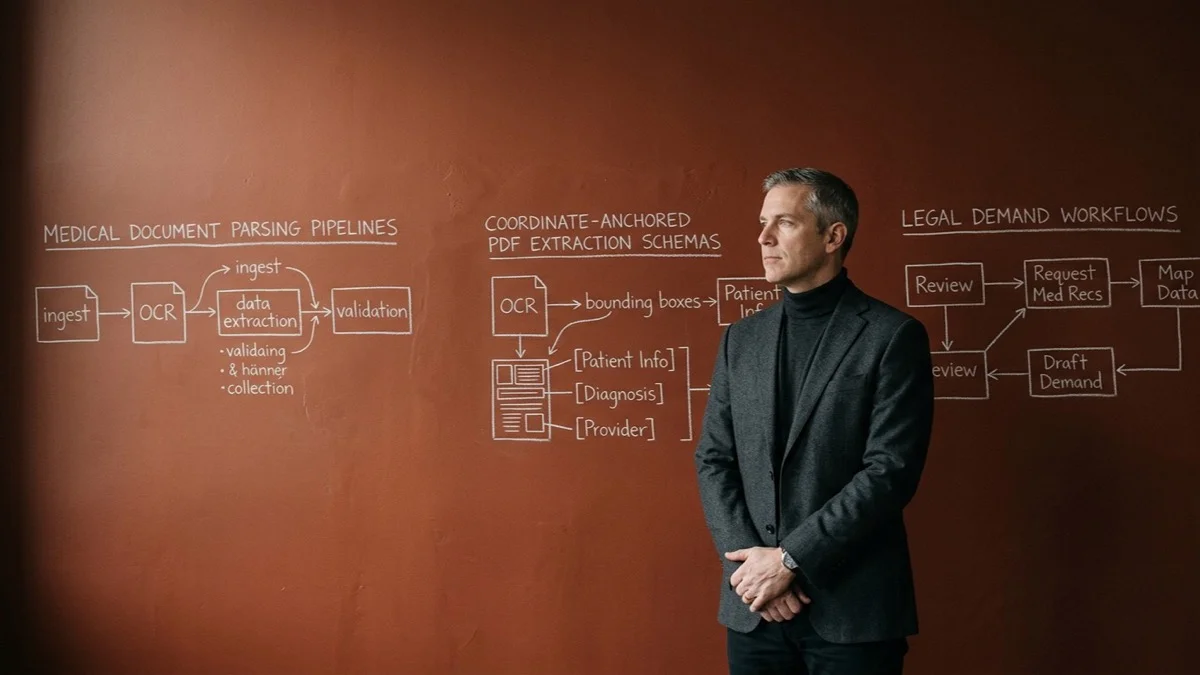
Cómo las Firmas de Litigio Capturan Reclamos Calificados en Segundos
Cómo las firmas de litigio implementan pipelines de intake legal bilingües para calificar reclamos laborales y de protección al consumidor sin intermediarios.
Empirical Conversion Loss Across Response Delays and Document Churn
An empirical operational study analyzing 642 real claimant interactions across mass arbitration and tort dockets, quantifying the exact revenue impact of response delays.
Why TypeSafe Jev and System One Models Beat LLMs for High-Volume Legal Intake
Why TypeSafe Jev delivers 70ms parallel decisions, zero schema errors, and 400x lower cost to high-volume litigation intake.
Filevine vs Lead Docket: The Real Architectural Differences and Why Firms Pay for Both
Filevine owns Lead Docket, yet sells them as separate software products with separate seat licenses. An engineering breakdown of how the integration works, where the pipeline breaks, and whether your firm actually needs both.
Escaping the Salesforce Tax: Why Large Plaintiff Firms Leave Litify, and What to Build or Buy Instead
Litify promises enterprise scale on top of Salesforce, but six-figure implementation fees and endless consultant retainers leave high-volume firms trapped. A breakdown of seven alternatives with reported pricing and technical trade-offs.
Why Scaling Plaintiff Firms Leave CASEpeer, and What to Build or Buy Instead
CASEpeer provides pre-litigation auto accident structure, but per-seat fees and rigid practice-area limits create barriers as firms scale. An honest review of seven options.
Why Litigation Practices Outgrow Rented Demand Generators, and How to Build Sovereign Document Intelligence
EvenUp proved that AI can summarize medical records and draft demand letters, but $350-plus fees per file and 72-hour turnaround create bottlenecks. An honest review of seven options.
Us vs. Them: Why Elite Litigation Firms Buy Their Legal Intake Software and Skip $87,000 in SaaS Rent
Why litigation firms are escaping the $87,000 annual SaaS rent cycle by buying an owned 3-in-1 legal intake engine, running on a $30 server with per-case MCP sandboxes.

Why High-Volume Plaintiff Firms Leave Lead Docket, and What to Build or Buy Instead
Lead Docket is the default intake CRM for plaintiff law firms, but per-seat fees and static web forms create bottlenecks as volume scales. An honest review of seven alternatives.

Start With IT, Not Workflows: The Enterprise Blueprint for Legal AI Security
Autonomous AI workflows deployed on weak identity foundations create catastrophic risk. Here is how to secure legal case management from IAM to statutory TCPA guards.

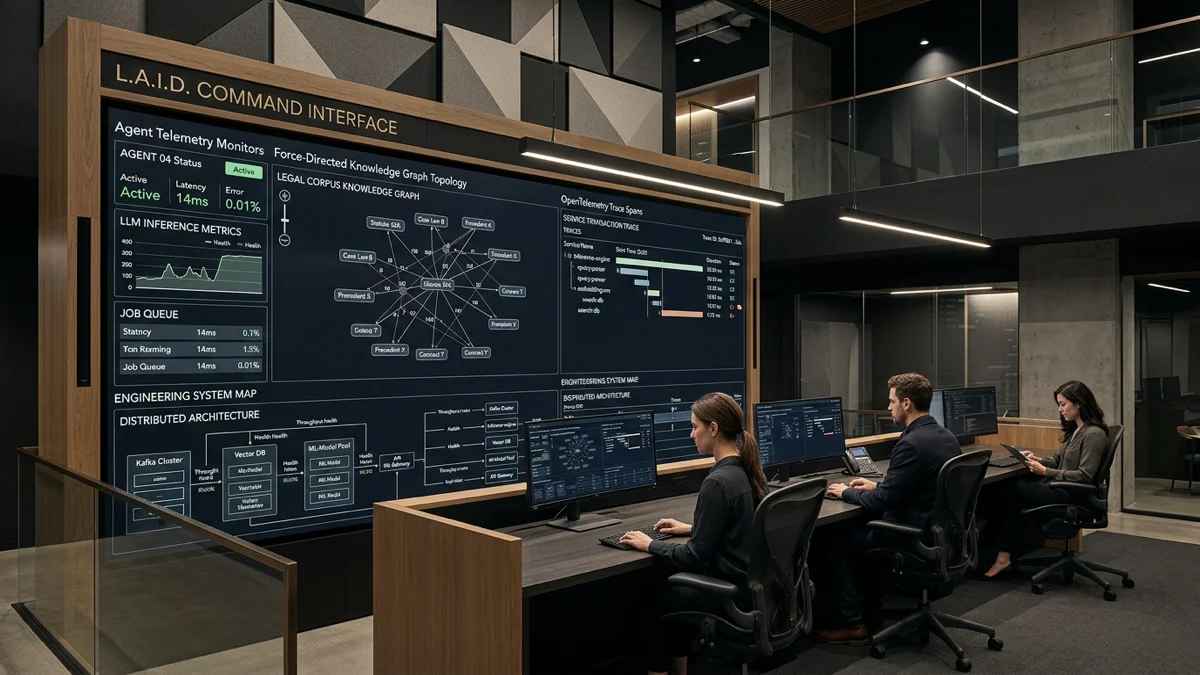
Obe: How I Developed an Agent-First Development System with Dash0
How Obe built an agent-first engineering system combining OpenWiki progressive zoom, AST constraint ratchets, Dash0 OpenTelemetry observability, and hermetic offline guarantees.
What to Buy Instead of Filevine, and How to Tell Which Problem You Actually Have
Most firms leaving Filevine are solving one of three different problems, and each has a different answer. A criteria framework plus seven real alternatives with reported pricing and honest trade-offs.

The Success Tax: Why High-Volume Firms Outgrow Per-Call Receptionists and Move to a Dedicated Intake Pod
Per-call receptionist pricing charges you more precisely when your marketing starts working. Here is an honest comparison of Smith.ai against a flat-fee dedicated intake pod, who should switch, and who should stay.

Paying SaaS Rent Is a Black Hole of Money: Why Growing Law Firms Buy the House and Stop Renting Clio
Paying SaaS rent is a black hole of law firm capital. Why continuing to lease fragmented software stacks bleeds equity, and how smart litigation firms buy their own codebase.
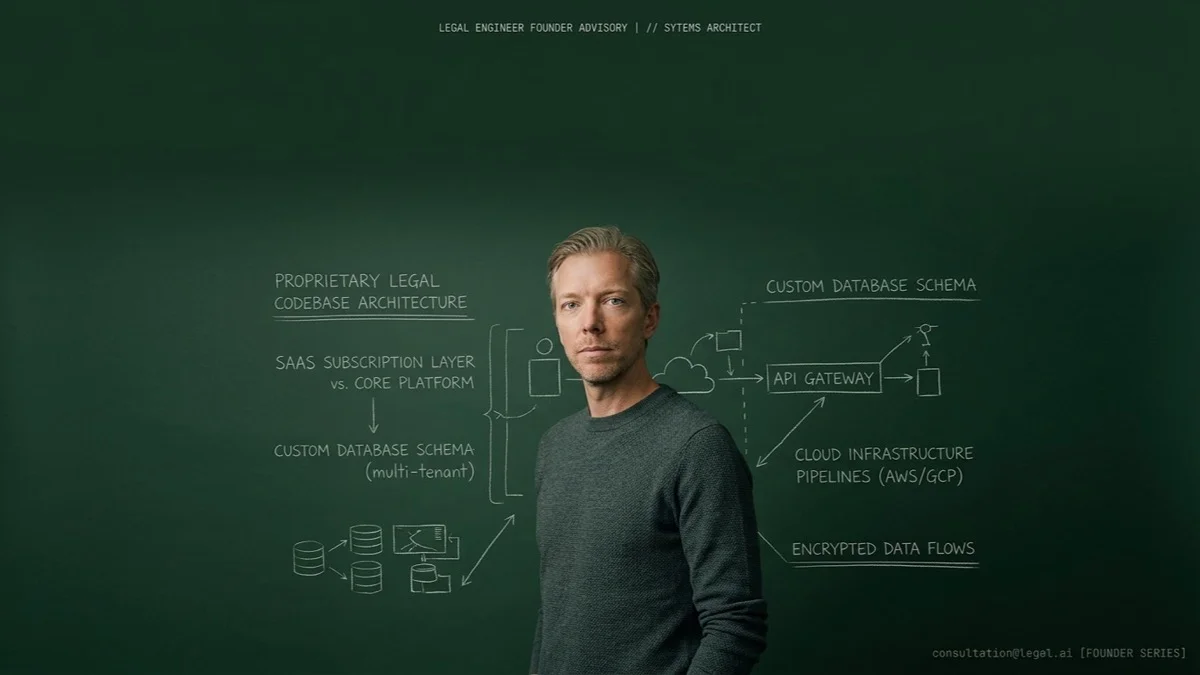
The Enterprise SaaS Rent Black Hole: Why Elite Litigation Boutiques Buy Their Software House Outright
Why paying six-figure SaaS rent into Litify or Filevine drains firm capital, and how leading litigation boutiques buy their software house the smart way.

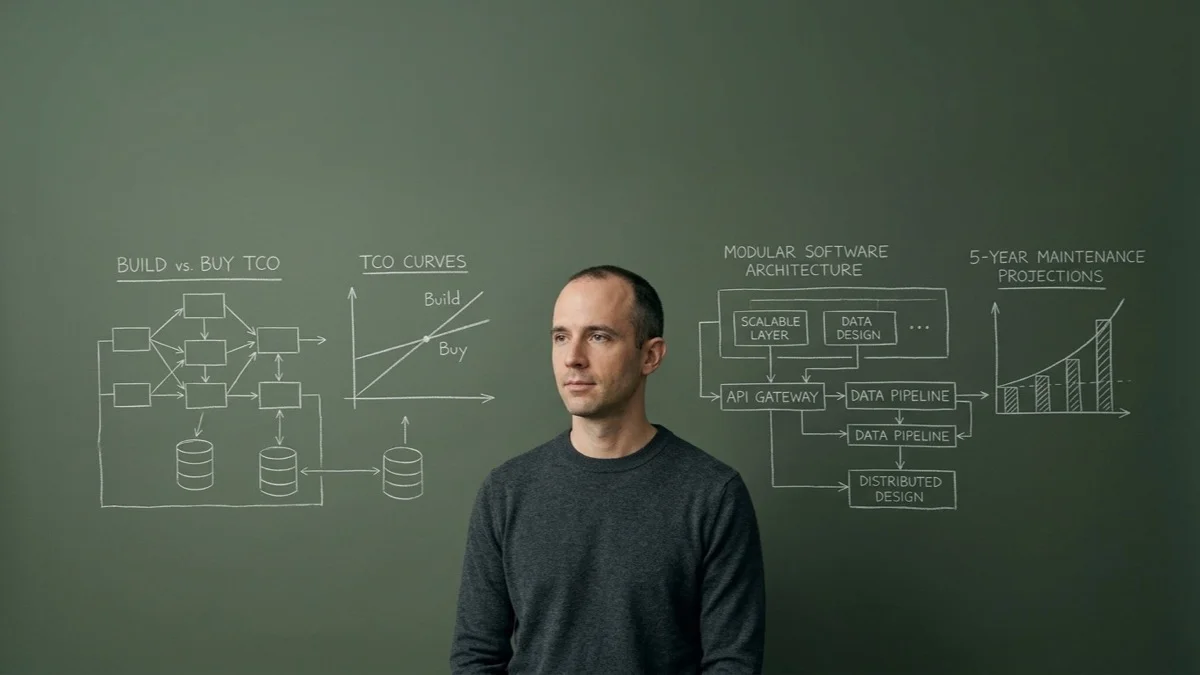
Build vs. Buy Case Management Software: Why Leading Firms Choose an Owned Foundation
Why litigation firms face the build vs. buy dilemma, how perpetual SaaS seat fees drain capital, and why an owned legal codebase foundation beats both extremes.
How Wage and Hour Litigators Capture Off-the-Clock Violations and Unpaid Overtime at Intake
How plaintiff employment lawyers uncover off-the-clock overtime, audit security screening deltas under Frlekin, and build class-wide wage dossiers.

How Employment Litigators Qualify California Equal Pay Act Claims and Build Substantially Similar Comparator Dossiers
A practical guide for employment lawyers investigating gender wage discrimination, mapping job duty comparators, and evaluating California Labor Code 1197.5 claims.

How Wage and Hour Litigators Audit California Alternative Workweek Schedules and Uncover Unpaid Overtime
A tactical guide for plaintiff wage-and-hour firms auditing California Alternative Workweek Schedules, uncovering election flaws, and calculating four-year overtime lookbacks.

How Litigation Firms Qualify Rideshare Drivers and Build Mass Arbitration Demands at Scale
How plaintiff firms process high-volume gig economy misclassification claims, audit driver vehicle expenses, and assemble arbitration-ready filing packages.

Why Message-Taking Call Centers Lose Retainers and How Dedicated Intake Pods Win
Why message-taking legal call centers lose high-value cases, how per-minute billing creates perverse incentives, and how dedicated intake pods deliver review-ready files.

Stop Guessing Document AI: Bounding Boxes, Parallel Evals, and Case-Type Routing
How parallel document extraction benchmarks, unit bounding box verification, and case-type evals route legal intake packets to optimal AI engines.

The Death of Pure SaaS and Call Centers: Why Software Plus Services Wins
The era of isolated SaaS tools and disconnected call centers is over. Discover why integrated software, data extraction intelligence, and trained talent deliver review-ready case files.

Speed to Lead for Law Firms: Software Does the Intake, Trained Agents Make the Call
Why law firms miss the first call, and how OBE software with trained bilingual agents gets a person on the phone within 30 minutes during working hours.

From Zero to 642 Qualified Intakes in Six Months
How a Dallas litigation firm added consumer arbitration for solar fraud, achieved a top-3 nationwide ranking, and processed 642 qualified claims solely through organic content with zero paid ads.

How We Revamped Bennett Legal's 3-Question Lead Form into a Deep Data Intake
How we revamped Bennett Legal's legacy 3-question lead form into a deep data intake pipeline with a dual-mode AI voice concierge and written form, plus statutory fee-shifting qualification.

OBE Legal Intake CRM: Turning Intake into a Clean Intake Pipeline
How OBE's legal CRM pulls facts from messy documents, organizes team roles without collision, and gives attorneys a reliable dashboard without administrative burnout.

Intake With Data Processing Is the Future of Consumer Arbitration
Consumer arbitration is becoming an operations problem as much as a legal one. The firms that turn intake into structured data processing - secure capture, document extraction, source-linked facts, and review-ready case files - will define the next decade of consumer arbitration.

AI Will Process the Data. Lawyers Will Decide What Matters.
AI is strongest when it reads, sorts, extracts, compares, and drafts from a governed record. The human role is to decide which facts matter, resolve uncertainty, and own the action that follows.

Where Automation Belongs
Automate repeated intake work, preserve the source behind each proposed fact, and route uncertainty to an authorized reviewer.

Test the Difficult File Before You Trust the Vendor Demo
Why standard legal intake demos fail on complex files, how per-seat SaaS rentals drain firm capital, and how deterministic data extraction delivers review-ready claims.

From First Contact to Matter Creation
A stage-by-stage law firm intake workflow with decision gates, exception paths, ownership rules, evidence controls, and practical measurements.

Why Internal Intake Teams Burn Out and When Outsourcing Fails
Why hiring in-house intake staff creates idle payroll, how call centers lose retainers, and how dedicated Polanco pods and owned software fix case acquisition.

Outsourced Intake Works When Software and Trained People Run Together
Why outsourced intake pays off when one provider runs the software and the people together, what it costs, and what stays with the firm.

What the Intake Specialist Role Owns and Why Phone Fatigue Breaks It
A realistic guide to legal intake specialist duties, US salary benchmarks, script failure modes, dedicated nearshore pods, and ABA Formal Opinion 506 compliance.

From First Inquiry to an Attorney-Reviewable Record
A practical definition of legal intake, from first inquiry and conflict screening through evidence collection, attorney review, and matter opening.

A Decision Guide for Capacity, Control, and Cost
A practical framework for deciding whether software, setup, document work, or outside staffing should support legal intake.

Intake Is Not an Afterthought. It Is the Foundation.
Intake is the first place a firm can turn a prospective client's story, documents, and deadlines into a reliable case record. Treat it as clerical work and every downstream team inherits the disorder.

Scripted Depth or Routing Discipline: Choosing Between Captorra and Lead Docket for Mass Tort Intake
Captorra is built for intake specialists working scripts at volume. Lead Docket is built for disciplined routing and referral ROI. They optimize different halves of intake, and the right answer depends on which half is broken.

Surge Capacity or Case Knowledge: How to Choose Between a 400-Seat Legal Call Center and a Dedicated Intake Pod
A 400-seat legal call center and a dedicated intake pod solve different problems. One absorbs a campaign spike overnight. The other knows your case type cold. Here is how to tell which one your program needs.

Building the High-Volume Intake Pipeline
How high-volume plaintiff firms use intake automation to structure documents, extract evidence, cross-reference criteria, and deliver attorney-ready case files.

A Received File Becomes Usable Evidence After Review
A practical operating model for collecting claimant records, tracking missing evidence, preserving provenance, and handing a review-ready file to the firm.

Control the Campaign Before the First Submission
Launch a mass tort intake program with named owners, versioned criteria, evidence controls, exception tests, human review, and a clean case handoff.

Give Every Field a State, Source, and Owner
Implement a governed mass tort intake record with stable field names, explicit null states, source lineage, correction rules, and accountable owners.

Build the Record Before You Build the Form
Define the records, stable IDs, states, provenance links, and human ownership needed to turn campaign submissions into review-ready case files.

Collect the Smallest Useful Set of Facts
A practical field and workflow model for collecting mass tort inquiries without turning uncertainty, missing evidence, or corrections into unreliable case data.

Measure File Readiness
A technical metric dictionary for completion, evidence gaps, corrections, duplicates, exceptions, remediation, and attorney-review readiness.

The Controlled Path From Inquiry to Attorney Review
A stage-by-stage operating model for turning a mass tort inquiry into a governed, review-ready file without losing source history or decision boundaries.

Version the Rules. Route Uncertainty to a Person.
A practical operating model for versioned qualification criteria, explicit uncertainty, evidence support, exception routing, and authorized review.

Catch Bad Records Before They Reach Attorney Review
A control framework for testing mass tort intake records, tracing corrections, assigning owners, and releasing review-ready files.

Why Campaign-Based Intake Needs Different Controls
A practical comparison of the data structures and controls that distinguish campaign-based mass tort intake from personal injury intake.

From Meta Ads Quiz to Intake: How OBE Scales Acquisition, Sandboxed Case Packages, and Deep Qualification
How OBE connects Meta ads quizzes directly into automated legal intake: in-house creative production, up to $1.5M monthly ad capital, per-org MCP sandboxes, trained document pipelines, and a liquid case marketplace.

Build Intake Capacity Before You Buy Traffic
A capacity-first operating guide for moving acquisition traffic into a governed intake record without losing consent, source history, or review control.

Ask Little Up Front and Structure Everything in Secure Intake
Use a short progressive quiz for orientation, then move sensitive facts and documents into secure intake with clear consent and source history.

Track the Source Without Exposing the Claimant
A technical operating model for connecting campaigns to intake outcomes while keeping claimant identity, case facts, and documents away from ad platforms.

How a Lead Becomes a Case File
A practical operating model for turning an acquired or generated mass tort lead into a source-linked file that is ready for authorized firm review.

Marketing Stops Where Firm-Controlled Intake Begins
An operational guide to moving a mass tort inquiry from an ad or landing page into a secure, structured, and review-ready intake record.

Stop the Ad Funnel Before Sensitive Case Facts
A technical handoff model for moving a Meta campaign response into secure legal intake without returning claimant facts to Meta business tools.

Where Lead Collection Should Stop and Secure Intake Begin
A technical comparison of where Meta lead collection should stop and a firm-controlled legal intake workflow should begin.